
Tailored Nutrition Support
for Your Cat’s Unique Needs
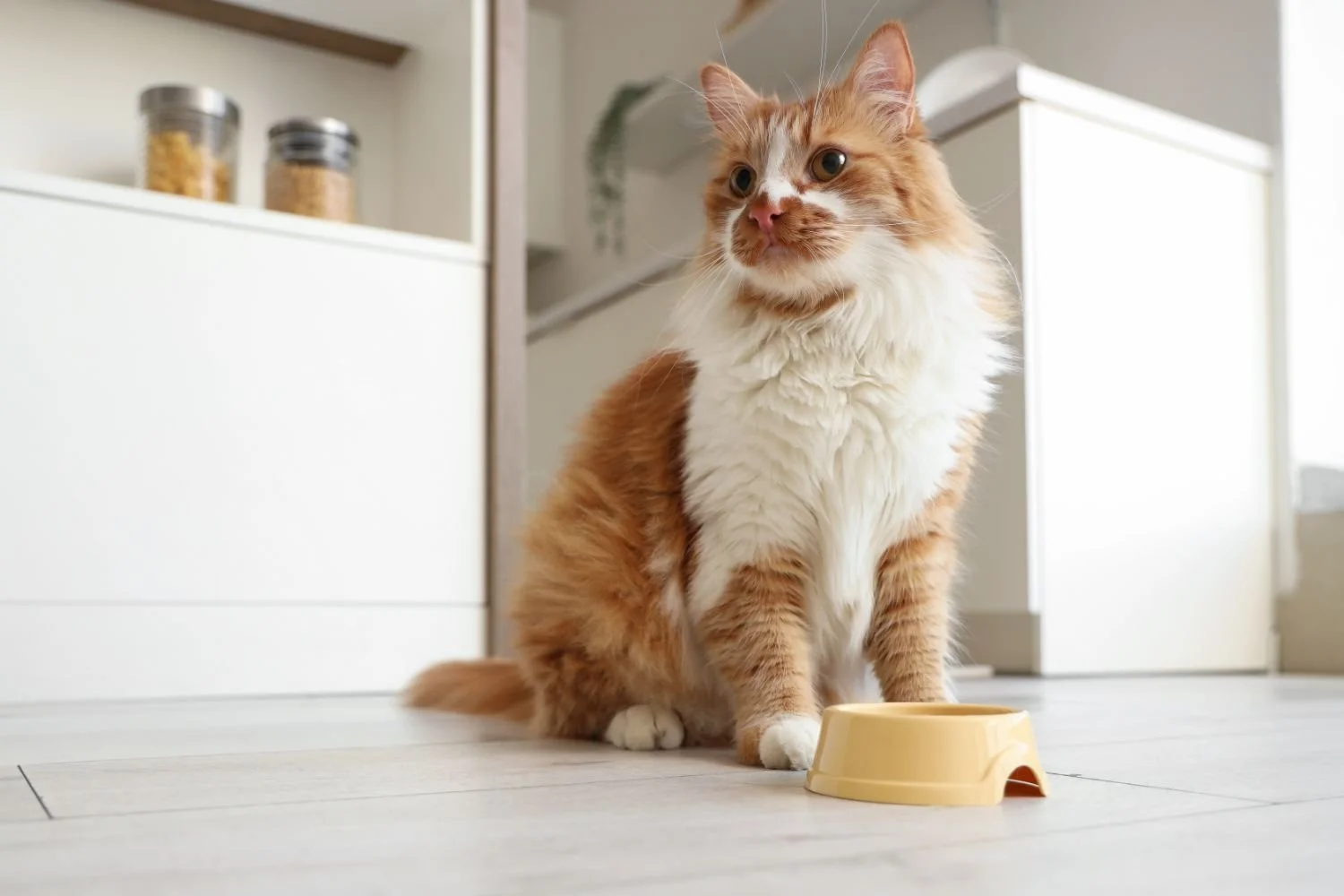
Nutrition is closely connected to your cat's overall wellness. Good nutrition and dietary management can help improve a variety of conditions or help stabilize them. Obesity, diabetes, and kidney issues can be managed or overcome with dietary management or a clinical nutrition plan. Overweight cats are at risk for secondary diseases, such as diabetes, arthritis, hypertension, and heart disease.
Cats are carnivores, which means the best diet for your cat is high in meat and low in carbohydrates. It can be challenging to find the right diet for your cat. This is where I can help. I’ll teach you how to choose the best commercial diet for your cat, or how to create a homemade diet.

Cats Are Not Picky,
They’re Just Not Dogs
Cats' taste preferences and eating style differ from dogs'. When dog food passes the nose test, it goes down. Cats cannot chew; they swallow their food, making texture much more important and the decision process longer. Unlike dogs and humans, cats' taste receptors for sweet are no longer functional.
Every cat is unique! When it comes to feline nutrition, there is no “one-size-fits-all” approach
Today’s cat owners understand the importance of diet and might feel judged for why or what they feed their cat. Regardless of personal opinions or choices, feeding is central to cat parenting, and no one wants to feel inadequate or shamed.
I will not try to convince you to feed only raw or a specific diet. Many cats thrive on kibble, while others prefer a raw diet. The goal of this cat nutrition consultation is to provide you with evidence-based information and empower you to make informed decisions about the pros and cons of your preferred feeding method.
Nutrition Support:
How We Can Work Together
Book Your Virtual Cat Nutrition Session Below

60-Minute Cat Nutrition Consultation
$199: Single Session with Written Plan (No Follow-Up)
During our session, we can review food labels, troubleshoot feeding issues, and explore new dietary options that align with your cat’s health needs and your values. Whether you’re dealing with allergies, picky eating, weight concerns, or just want a second opinion, I’m here to help.
-
✔️ Review current food quantity and compare to caloric needs.
✔️ Evaluate your current feeding routine.
✔️ Explore ingredient options.
✔️ Offer evidence-based, practical recommendations to feed multiple cats in one home.
-
✔️ New cat owners.
✔️ Change in the life stage of a resident cat.
✔️ Cases of food obsession and aggressive behavior around food.
-
✔️ One 60-minute virtual consultation.
✔️ Written plan with customized recommendations.
✔️ 3 days of follow-up via email to clarify any report questions
Note:
For households with more than one cat, please add $25 per additional cat by booking an add-on.
Cat Diet Management Plan
$299: 90-Minute Call + Written Plan and 30 Days of Email Follow-Ups
This in-depth consultation is ideal for cat parents ready to take control of their cat's nutrition with expert support.
This is the only plan that includes a full custom diet formulation. If your cat has a medical diagnosis (e.g., diabetes, chronic kidney disease, food allergies), please provide official veterinary documentation before your session.
-
✔️ Review current food quantity and compare to caloric needs.
✔️ Evaluate your current feeding routine.
✔️ Discuss the pros and cons of cooked versus uncooked diets.
✔️ Lay out the steps of a weight management plan.
✔️ One complete wet cat food formulation tailored to your cat’s needs.
-
✔️ Cat owners who would like to prepare a homemade diet.
✔️ You will receive a professional recipe, ingredient sourcing, and preparation tips.
✔️ Overweight/obese cats in need of a diet management plan.
✔️ Clinical nutrition cases with a history of food aversion, weight loss, or gain.
-
✔️ One 90-minute virtual consultation
✔️ One complete and balanced custom wet food recipe.
✔️ Dietary planning for clinical or non-clinical nutrition needs.
✔️ Written summary and tailored plan.
✔️ 30 days of email follow-up for additional support.
Note:
This package covers nutrition planning for one cat only.
Existing Clients, Click Here to Book Follow-Up Sessions
What We’ll Explore Together
Tailored Nutrition Support for
Your Cat’s Unique Needs
Cats are obligate carnivores that have unique nutritional needs that can be met by eating a diet composed primarily of animal tissue. Raw cat foods accomplish this by placing uncooked meat, fish, and internal organs at the top of their ingredient lists. Ground bone is often included as a source of calcium and phosphorus. Vitamin and mineral supplements and other ingredients are added to round out the diet and prevent nutritional deficiencies.

Cats’ unique dietary needs
Cats require high dietary protein levels because, unlike most animals, they use protein rather than carbohydrates as their primary energy source. Certain amino acids, most notably taurine, as well as arachidonic acid, vitamin A, vitamin D, and many B vitamins, must also be present in sufficient amounts.
On the contrary, cats do not require vitamin C. Same as dogs they have their own factory and additional supplementation can result in health issues.
It is our professional responsibility to ensure cats receive a complete and balanced diet appropriate for their needs. Cat nutrition differs from dog nutrition.
Every cat is unique!
Today’s cat owners understand the importance of diet and might feel judged based on why or what they feed their cat. Regardless of personal opinions or choices, feeding is elemental to cat parenting, and no one wants to feel inadequate or shamed.
When it comes to feline nutrition there is no “one shoe fits all” approach. We will not try to convince you to only feed raw, or only feed a specific diet. Many cats thrive on kibbles, others prefer to eat a raw diet. The goal of this cat nutrition consultation is to provide you with science backed information. And empower you to make good decisions about the pros and cons of your preferred feeding method.
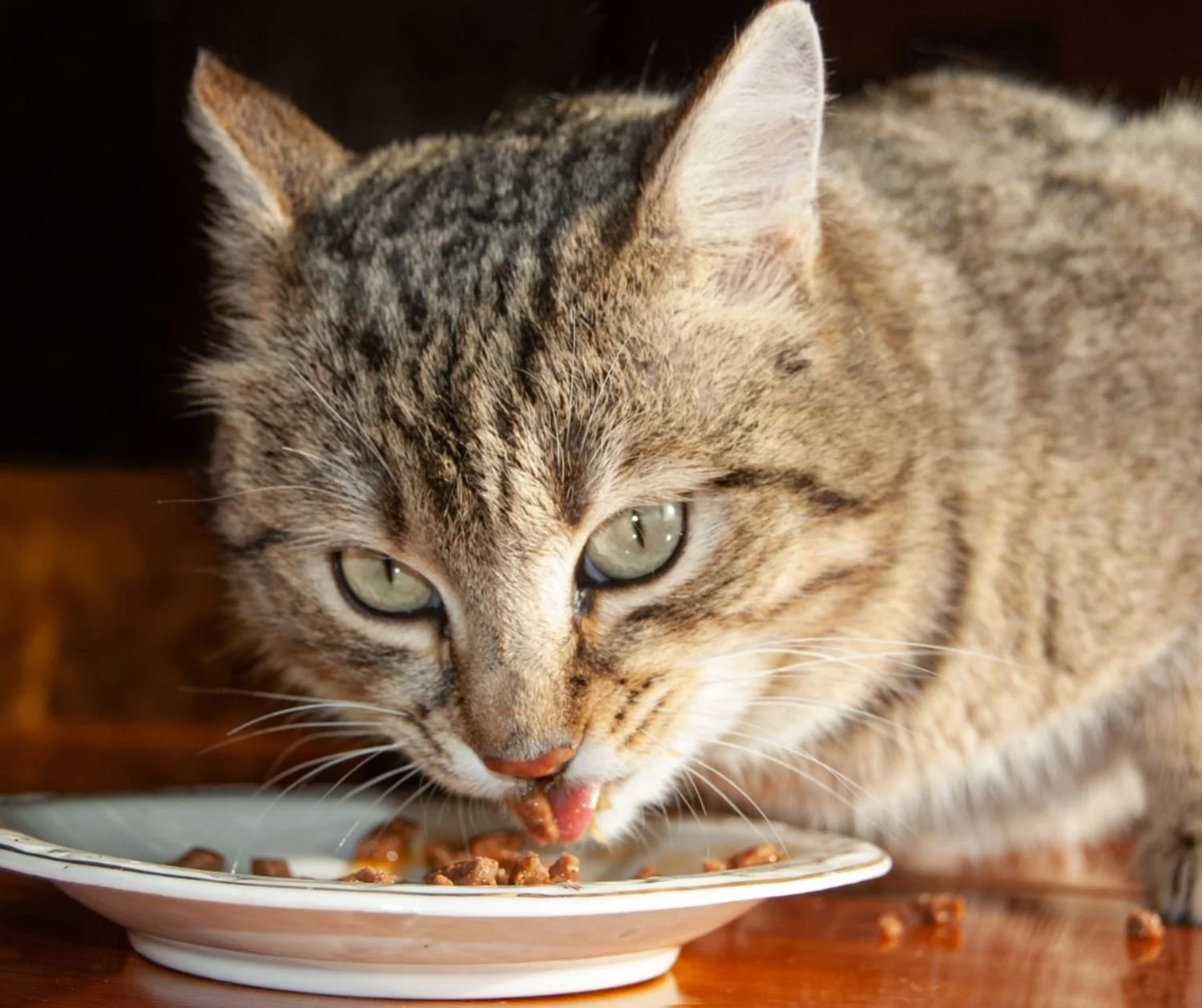
Cat food choices - there is no top 10 best cat food list.
Every cat is different, and so is the choice overload of cat food products available.
Does the pet food company meet the WSAVA guidelines?
AAFCO guidelines - what does complete and balanced mean?
All life stages - should I switch diets as my cat gets older?
There is not one product in the market that will be the BEST choice for every cat. Every cat is unique and has different taste preferences. Publishing a list called “the 10 best cat foods” is unethical. And who is qualified to make this comparison?
Cat Nutrition and Health.
Nutrition is closely connected to the overall wellness of your cat. Good nutrition and dietary management can help improve a variety of conditions or help stabilize the condition.
Obesity, diabetes, or kidney issues are examples that can be managed or overcome with dietary management or a clinical nutrition plan. Overweight cats are at risk for secondary diseases, like diabetes, arthritis, hypertension, and heart diseases.
Cats are carnivores, which means the best diet for your cat is one high in meat, and low in carbohydrates. It can be challenging to find the right diet for your cat. We can help.
Book our cat nutrition consultation services to find out how you can choose the best commercial diet for your cat, or if you want to create a homemade diet.
How cat nutrition and behavior are intertwined.
Food aggression in cats can stem from chronic underfeeding. Kittens’ and young cats’ caloric requirements can peak at 400-500kcal per day.
Food aggression can stem from your feeding routine. Feeding a cat only twice per day is not species-appropriate. In the wild, cats hunt many times for small meals. Small meals match their small stomach.
Pica may stem from a lack of nutrients in the food.
How we feed our cats matters as much as what we feed them. To avoid boredom, enrich your cats’ lives with food puzzles or snuffle mats.